When Your Child’s Anxiety Leaves You Exhausted and Out of Answers
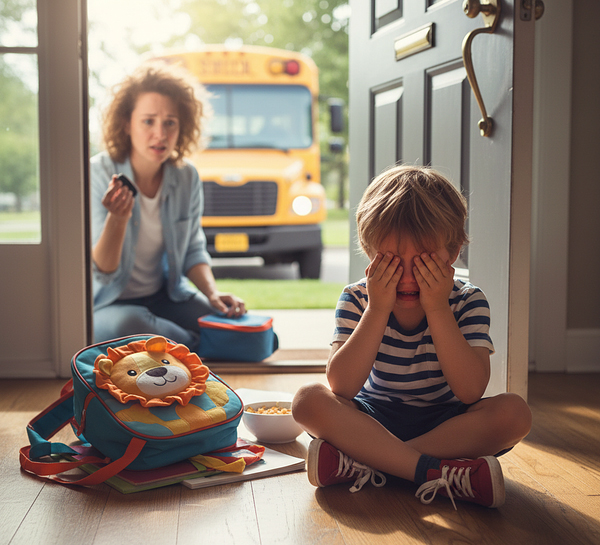
Morning Battles, School Refusal, Bedtime Fears
When anxiety hijacks your child’s brain, everything becomes a threat. Their nervous system stays on high alert, turning everyday moments into battles.
- Stomachaches and headaches with no medical cause
- “What if” questions that never stop, no matter how much you reassure
- Meltdowns over small changes in routine or plans
- Refusing school, activities, or playdates they used to enjoy
- Explosive anger when anxiety reaches its peak
You’ve tried reasoning, reassuring, and rewards. You’ve adjusted schedules and walked on eggshells. But anxiety isn’t logical—it’s neurological. Your child’s brain needs help learning to recognize safety again.
Traditional Approaches Don’t Bring Lasting Relief
Exhausted parents will try anything to help their anxious child—but too often, the standard approaches fall short, especially for young minds still developing.
Therapy teaches coping tools, but loading
- Helps children talk through their fears
- Provides strategies to manage anxious moments
- Doesn’t change the brain patterns driving the anxiety
- Progress stalls when the brain itself remains dysregulated
Medication quiets symptoms temporarily:
- May reduce worry while taking it
- Doesn’t retrain the brain to self-regulate
- Anxiety often returns when medication stops
- Creates dependence without solving the root cause
Progress Stalls — and Hope Fades
Therapy teaches coping. Medication masks symptoms. But underneath, your child’s brain is still trapped in fight-or-flight. The patterns don’t change — they dig deeper.
And so, despite all the time, money, and effort, your child keeps struggling. Progress stalls. Hope fades. Parents are left frustrated, with no lasting solution in sight.
Neurofeedback goes beyond quick fixes — it helps your child’s brain find balance and lasting calm.
- Retrains the brain, not just the behavior — instead of piling on coping strategies, it helps calm the overactive patterns driving the anxiety.
- Creates lasting change — because the brain learns new, healthier rhythms, improvements build over time rather than fading when sessions stop.
- Restores peace at home — as your child gains calm and confidence, family life feels lighter, with fewer battles and more connection.
- Gives you your child back — the bright, joyful kid you know is still there, just waiting to shine through once the anxiety loosens its grip.
With neurofeedback, change doesn’t just feel possible — it finally feels within reach.
From Tears and Tension to Confidence and Calm

Emma, Age 9
Emma was a bright, sweet girl — but her anxiety controlled her world. She cried every night before school, clung to her mom in the mornings, and often complained of stomachaches. Bedtime was no better, with fears and worries that kept her awake for hours.
Her parents tried therapy, reassurance, even medication, but nothing seemed to last.
Then came neurofeedback.
Within weeks, Emma started to sleep through the night. Mornings became calmer. She walked into school without tears and even started making friends with confidence
“The difference was unbelievable. My child could finally sleep through the night, and mornings weren’t a battle anymore.”
Ethan’s Story: A Family Finds Peace Again
Ethan’s anxiety had left his whole family on edge—tiptoeing around meltdowns and sleepless nights, never sure what might set him off next. At first, no one realized his anger and defiance were really signs of anxiety. During neurofeedback, his clinician noticed stress activity in the front of his brain—and suddenly, it all made sense.
As sessions continued, everything began to shift. The stomachaches stopped. His body calmed. He started taking responsibility, reconnecting with friends, and rediscovering his confidence. The tension that once filled their home gave way to laughter and a sense of peace they hadn’t felt in years.
“We feel like we have our child back. He’s calmer, happier, and we can enjoy being together again.”

The Science That Maps the Brain and Guides Every Step
Every child begins with a QEEG brain map (quantitative EEG). This advanced assessment shows exactly where the brain’s worry circuits are overactive and stuck in “fight or flight.” With that insight, we design a personalized training plan. As sessions progress, the brain learns to calm itself — and we track results to ensure lasting success.
One Brain. Many Symptoms. How Neurofeedback Helps With Conditions.
Proven. Safe. Transformational.
Dozens of research studies confirm that neurofeedback helps children reduce anxiety and build lasting calm.
Parents trust it because it is:
- Non-invasive — no drugs, no side effects
- Research-backed — supported by decades of clinical evidence
- Long-lasting — changes hold because the brain learns new patterns
- Child-friendly — kids often enjoy the sessions and look forward to them
With neurofeedback, children don’t just manage anxiety — they gain the ability to face life with confidence, resilience, and calm that lasts.
Your Next Step: Hope Starts Here
You don’t have to keep fighting the same battles day after day. Neurofeedback can help your child — and your family — find relief.
Schedule Free Consultation with Dr. Cale See Success Stories