Call 518-606-3805 | Book Free Consultation

FOR ADULTS LIVING WITH PANIC ATTACKS

Trapped by the Next Attack: The Silent Fear That Rules Your Life
No warning. No control. Just the constant, exhausting fear: “When will it happen again? What if it happens while I’m driving? What if everyone sees me losing it?” The attacks themselves are terrifying. But it’s the anticipation – the hypervigilance, the avoidance, the shame – that truly imprisons you. Here’s the truth: This isn’t about willpower or coping strategies. Your amygdala is firing false alarms, and your nervous system needs retraining. That’s what neurofeedback does.
couple-consult
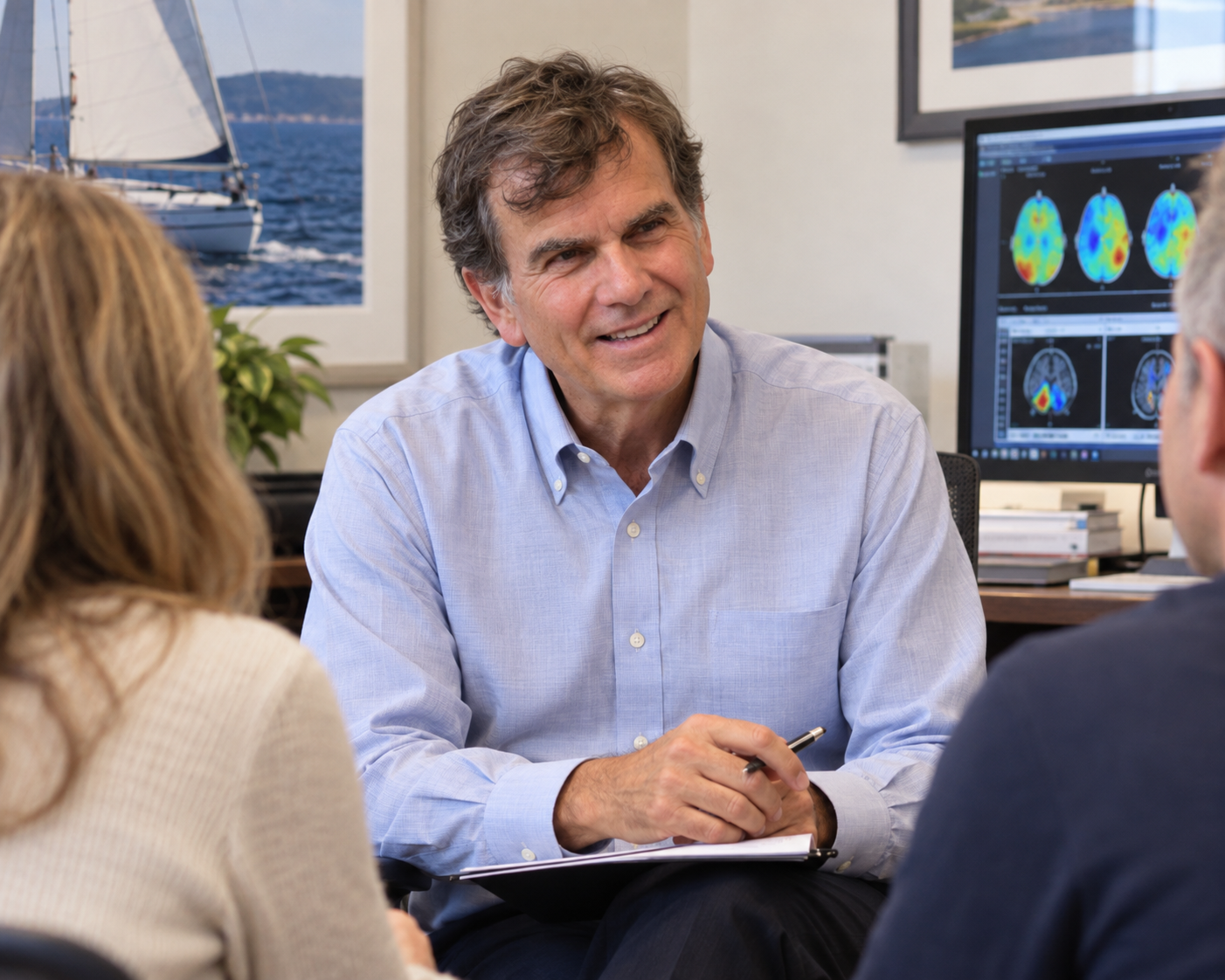
Speak directly with Dr. Randy Cale
LIVING IN CONSTANT PREPARATION

When the Attacks Start Running Your Life

At first, it’s about the attacks. Over time, it becomes about everything you do to avoid them. Even when they’re not happening, they are quietly shaping your decisions and limiting how you live.

  • Planning where to sit and how quickly you can leave
  • Avoiding driving, stores, travel, exercise, or being alone
  • Scanning your body for signs that another attack is building
  • Feeling less able to trust your own body
WHY THE PATTERN KEEPS RETURNING

Work With the Alarm Response, Not Just the Aftermath

Panic is not merely a frightening thought. It is a rapid, whole-body emergency response. Heart rate changes, breathing tightens, dizziness or unreality can appear, and the brain begins scanning for escape before you have time to reason through what is happening.

HOW THE PATTERNS GET STUCK

The pattern can become stuck because the brain learns quickly from fear. A racing heart, a store aisle, traffic, exercise, or even the memory of a prior attack becomes linked with danger. Each episode of bracing, scanning, and avoidance teaches the alarm system to react earlier the next time. Soon the body is responding not only to actual sensations, but to the possibility of them.

WHY TRADITIONAL RELIEF MAY NOT LAST

That helps explain why good advice and coping skills may not create lasting relief. Breathing, grounding, CBT strategies, and medication can all help, but they are often being asked to manage the response after it has already started. When the nervous system is flooded, the thinking brain has less access to the very tools the person is trying to use. If the underlying activation pattern is unchanged, the alarm may keep returning.
hesitating-in-parked-car
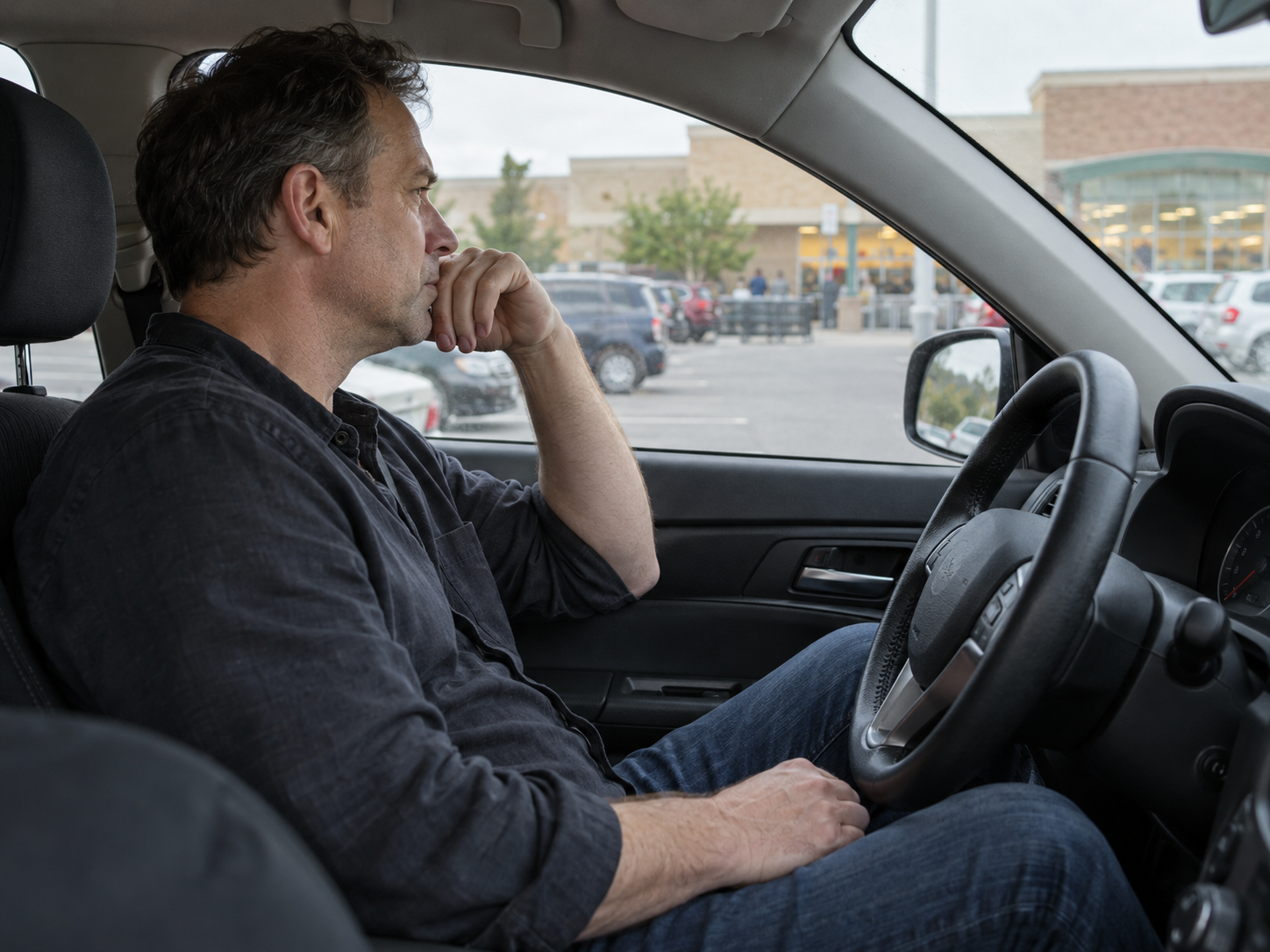
The attack may be over. But the fear of another one
still controls what you do next.

WHAT NEUROFEEDBACK CHANGES

Neurofeedback gives the brain repeated practice producing a steadier pattern before the alarm takes over. As regulation improves, the response may be less easily triggered, less overwhelming when it begins, and easier to recover from. The goal is not simply to cope better with the next attack. It is to help the brain stop treating ordinary sensations and situations as emergencies.

WE DON’T GUESS

We Brain-Map First

Symptoms tell us what you experience. They do not tell us why your brain is responding that way. Two people can describe nearly identical panic attacks and still show very different patterns of brain activity.

Medication is commonly chosen from symptom clusters and adjusted through trial and error: start a medication, wait, change the dose or the medication, and hope the response improves. Medication can be useful, but it does not show us the electrical patterns beneath a person’s panic.
adult-male-qEEG-session
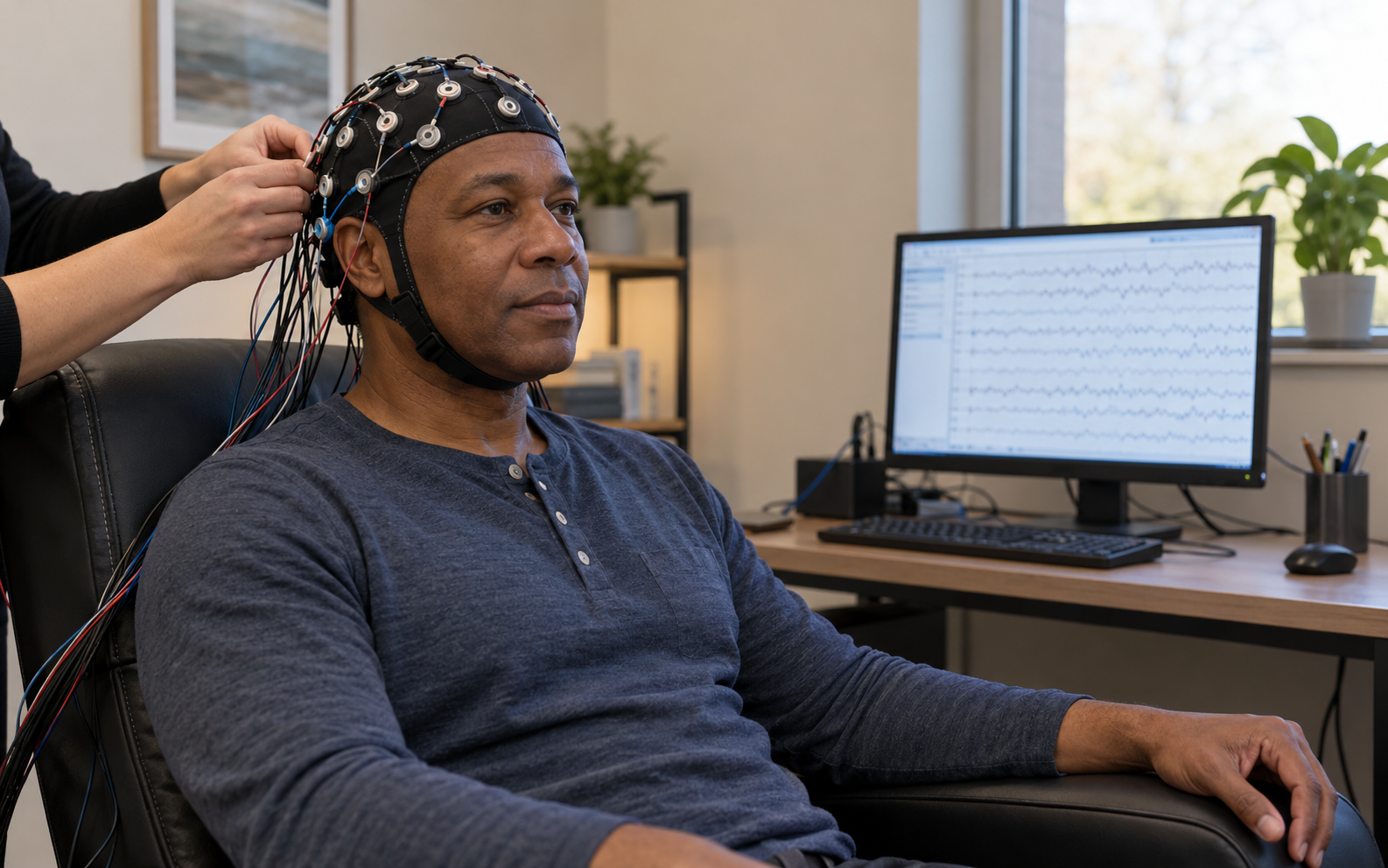
Measure first. Train what the map reveals. Monitor progress.
Wondering whether this approach fits what you’re experiencing?
Speak directly with Dr. Randy Cale in a free 30-minute Zoom consultation.We’ll discuss what has been happening, what you’ve already tried,and whether brain mapping makes sense as a next step.
A qEEG records the brain’s electrical activity and compares those findings with age-referenced norms. It can show where the brain is running too fast or too slow, where calming networks are not engaging efficiently, and where communication between regions is poorly coordinated.

That information gives us a basis for individualized neurofeedback. We are not choosing a generic panic protocol. We select training targets from the person’s own brain patterns, and the first map provides a baseline that can be compared with later findings.

HOW NEUROFEEDBACK WORKS

Give the Brain Information It Can Learn From

Training Happens Through Feedback

Sensors measure brain activity while the client watches a screen or listens to sound. When selected brain patterns move toward the training goals, the screen becomes brighter or the sound changes. The brain receives that information immediately.
  • Nothing is sent into the brain
  • Training targets are individualized
  • The learning occurs through repeated feedback
  • Home or office training is available
YOUR CLEAR PATH FORWARD

Map . Plan . Train

1-2-3-steps-arrow

1Brain Map

See what is driving the panic and where the system is getting stuck.

2Personalized Plan

Return to life without constantly planning around the next attack.

3Train with Guidance

Retrain the brain’s alarm response through repeated feedback.
WHAT THIS LOOKS LIKE IN REAL LIFE

What Clients Have Shared

“My body would go into full alarm mode for no reason.”

“I started avoiding things because I never knew when it would hit. After a few weeks of training, something changed. The panic didn’t build the same way – and then it just stopped showing like it used to. I can go places again without thinking about it…I have my life back”
Barbara, 28

“It would come out of nowhere.”

“I could be fine one minute, and then my body would just flip. What changed for me wasn’t just fewer attacks – it was that my body stopped reacting like everything was an emergency. That alone changed everything.”
Mark, 42

“I stopped planning my life around panic.”

“I didn’t realize how much I was avoiding until I didn’t have to anymore. I’m doing things now that I hadn’t done in years – without thinking about where the exits are.”
Emily, 35
panic-body-acts-unsafe
woman-having-panic-attacks-at-the-grocery-store

You know you’re safe. So why does your body act like you’re not.

FREQUENTLY ASKED QUESTIONS

Questions Before You Begin

How is panic different from general anxiety?
Panic attacks are sudden surges of intense alarm. General anxiety is often more persistent worry or tension. The two can occur together, which is one reason the consultation begins with your individual pattern rather than a generic protocol.
Can a brain map show what is happening?
A qEEG records electrical activity and compares the findings with age-referenced norms. It helps identify patterns of overactivation, under activation, and poor coordination so the training plan can be based on the person’s own brain rather than a generic panic protocol.
Can I continue medication or therapy?
Yes. Neurofeedback can be used alongside therapy, medication, and other care. Medication changes should be discussed with the prescribing clinician.
Is home training available?
Yes, for many clients. Office training is also available. Dr. Cale will recommend the setting that best fits the plan and your ability to train consistently.
YOUR NEXT STEP

Silence the False Alarms and Reclaim Your Life

You don’t have to live at the mercy of random panic attacks or spend your life avoiding triggers.
Real change starts with understanding what’s happening in your brain – and training it to stop sounding false alarms.

Take the first step today. Your body can be a safe place to live again.
Speak directly with Dr. Randy Cale
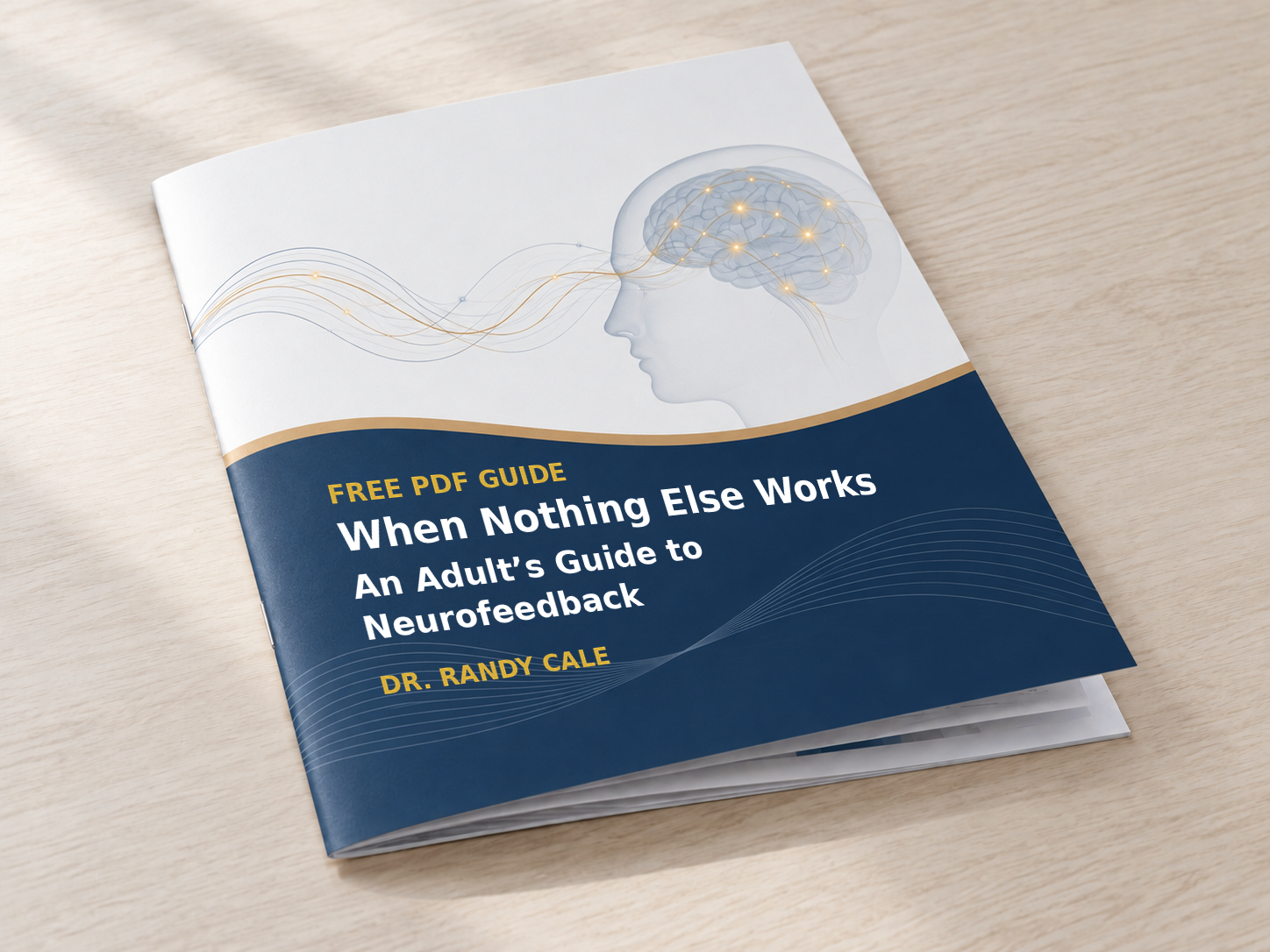
ebook thumbnailNOT READY TO SCHEDULE?

Start With the Free Adult Guide

Learn how neurofeedback works, what training looks like, and how adults have used this approach when other efforts have not provided enough relief.