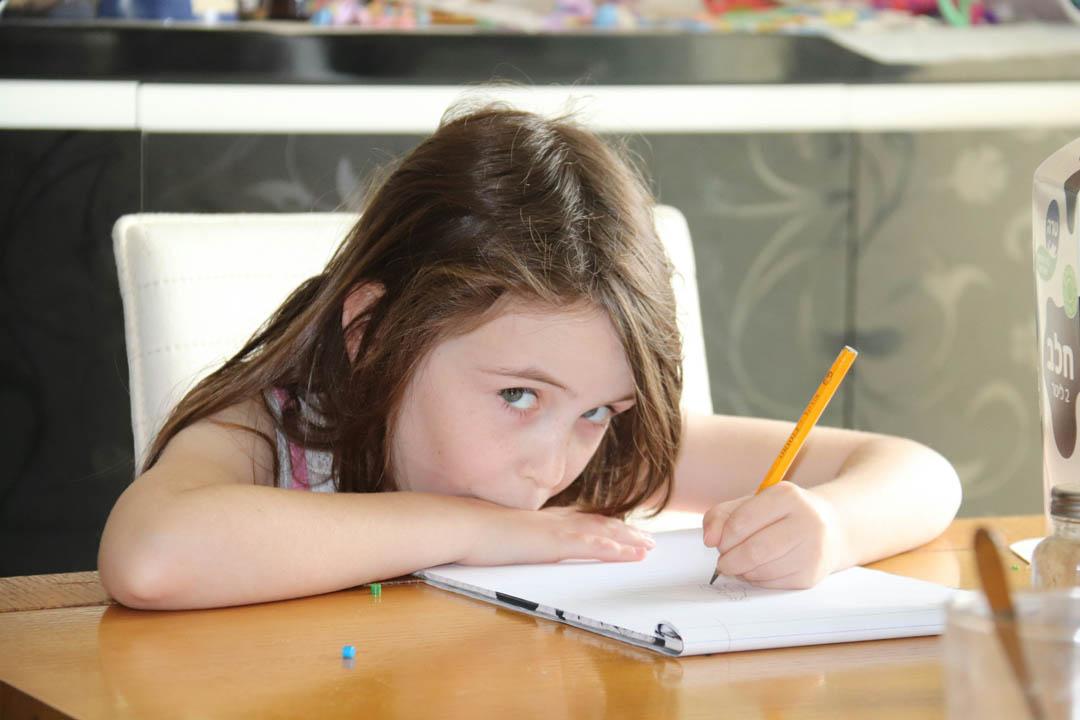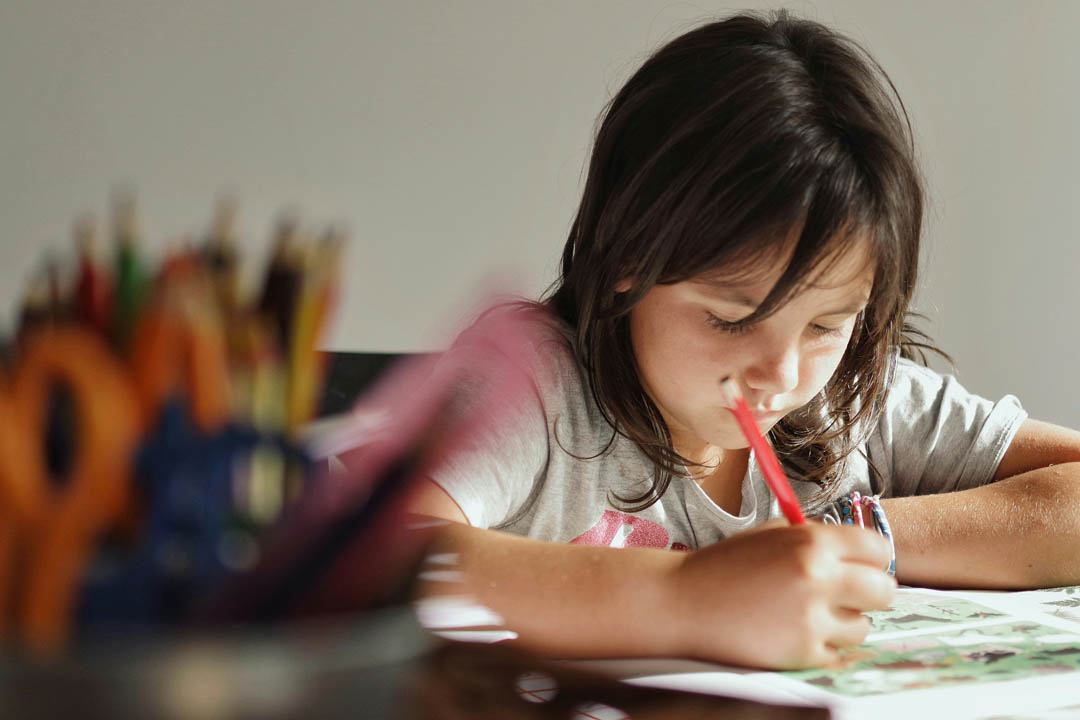
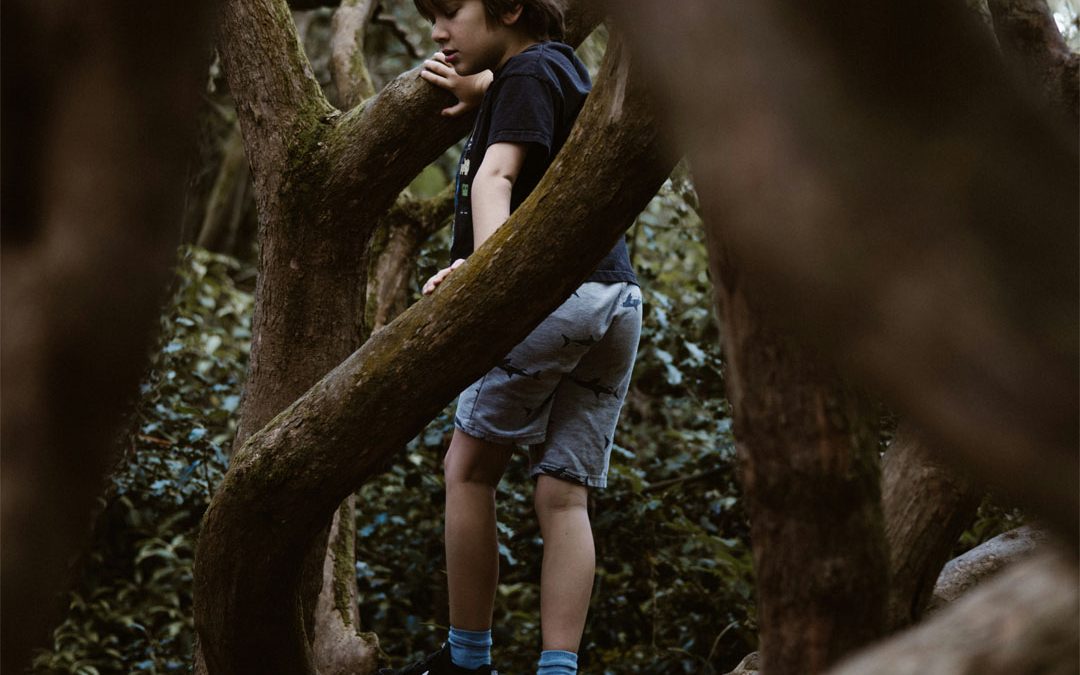
Here we are again, confronted by modern science confirming what wise parents, grandparents, teachers, and common sense have known for a long time: children need to play. Not just tap, swipe, scroll, and consume. They need to run, climb, chase, fall, negotiate, lose, recover, imagine, argue a bit, laugh a lot, and occasionally discover that gravity remains undefeated.
A recent study on preschool children found that more adventurous play was associated with better mental health, including lower internalizing and externalizing symptoms and higher positive affect. The same study also noted that high educational screen time was associated with poorer mental health. Children with more active, uncertain play tended to look emotionally healthier, while more screen-based learning time was not quite the miracle many had hoped.
Why Adventurous Play Builds the Brain
Adventurous play does something screens cannot do. It engages the whole child. The body moves. The senses wake up. The brain predicts, adjusts, fails, recalculates, and tries again. A child climbing a tree, racing across a field, building a fort, or inventing a game with friends is solving problems in real time.
This is brain development in motion. When children play adventurously, they practice risk assessment: “Can I jump that far? “Is this too high?” These small challenges teach the brain to evaluate uncertainty. Anxiety often grows when children have too little practice handling manageable uncertainty. The anxious brain wants guarantees. Play teaches that life rarely provides them, and that we can still move forward.
A Little Adventure and Discomfort Are Not the Enemy. They Are Muscle-Builders.
This fits one of the most important parenting truths: children become stronger by successfully facing small doses of discomfort, frustration, uncertainty, and effort. Not overwhelming doses. Not reckless exposure. But enough to build competence.
The Social Laboratory of Real Play
Peer play is one of childhood’s great emotional training grounds. When children play together, everything does not go smoothly. Someone changes the rules. Someone wins. Someone loses. Someone gets bossy. Someone feels left out. Someone cheats, or at least is accused of cheating by a deeply offended five-year-old attorney.
Again, this is not a problem to eliminate. This is the work of childhood. In these moments, children learn to handle disappointment, disagreement, and embarrassment. They learn that another child’s mood is not a catastrophe, that losing is not the same as being a loser, and that every imperfect moment need not be taken personally.
They learn because adults resist the urge to over-rescue and over-manage. Calm leadership says, “That was disappointing. Take a breath. Try again.” Or, “You can be upset and still speak respectfully.”
Screens Offer Stimulation Without Strength
Now contrast this with excessive screen time. Screens are easy, fast, predictable, and endlessly stimulating. They offer novelty without effort, reward without responsibility, and emotional escape without emotional growth.
Screens do not simply “take up time.” They train the child’s attention system to expect constant stimulation. Then ordinary life feels boring. Reading feels slow. Chores feel unbearable. Waiting feels like punishment. Outdoor play feels like too much work.
When children spend too much time being entertained, they spend too little time becoming capable.
Parents often say, “But my child is learning on the tablet.” Sometimes, perhaps. But even educational screen time can crowd out the richer developmental nutrients of movement, face-to-face interaction, imagination, frustration tolerance, and self-directed play. A child may learn letters on a screen, but not how to lose gracefully, climb carefully, negotiate fairly, or calm down after being mad.
Less Entertainment, More Life
This brings us back to a foundational parenting principle: your child does not need a friction-free childhood. Your child needs a life that builds capacity.
That means more outdoor time. More peer play. More chores. More boredom. More family connection. More movement. More real-world problem solving. And yes, fewer screens.
This does not require parenting perfection. It requires a plan: no screens before school, no screens during meals, no screens in bedrooms, and no screens until responsibilities are complete. Then add replacement experiences: playgrounds, bikes, balls, forts, nature walks, board games, simple chores, and time with other children. Children will resist this at first. That resistance does not mean the plan is wrong. It means the nervous system is adjusting.
The Real Gift
Adventurous play gives children something screens can never provide: the felt experience of becoming capable. They discover, “I can try. I can fall. I can lose. I can recover. I can handle this.”
That is the soil of confidence. Confidence grows when children experience themselves doing hard, uncertain, sometimes frustrating things, and surviving the moment with a stronger brain and a steadier heart.
So yes, the latest research is fascinating. And yes, it is also a rather stunning confirmation of the obvious. Children need less screen-fed stimulation and more real-world adventure. They need fewer digital distractions and more dirt, laughter, risk, movement, friendship, and play.
In other words, they need childhood back.